
An MVP Isn’t a Product, It’s a Decision to Ship
Stop overcomplicating your MVP. It’s not an app; it’s a disciplined starting point. Learn why a Google Form can be a product and when it’s time to ship.
2/22/20263 min read
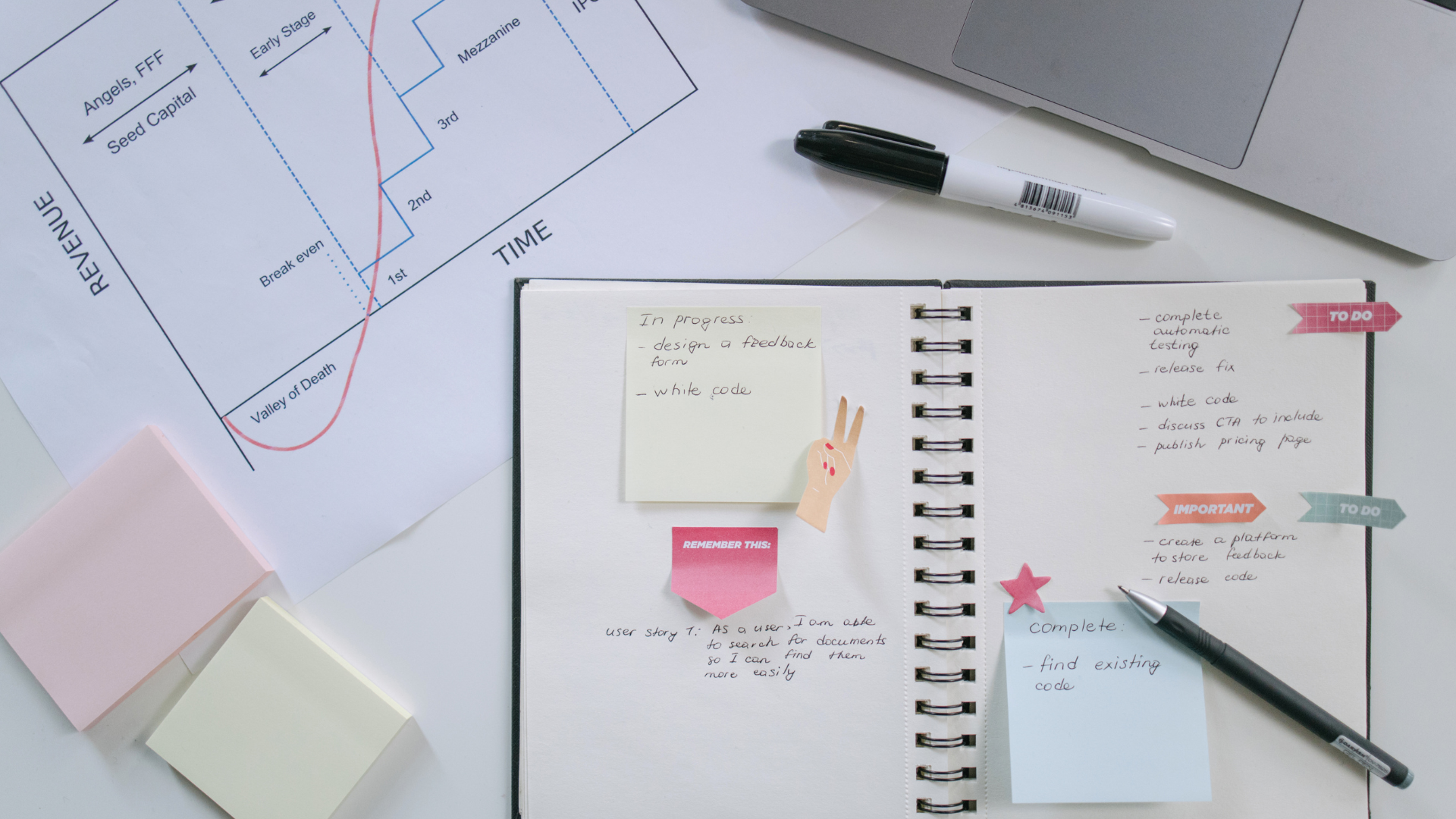
Most founders overcomplicate the idea of an MVP. It doesn’t need to be an app, a platform, or a fully built system. An MVP is simply the smallest usable version of your idea that solves one clear problem.
I didn’t always understand that.
In fact, when I first started thinking about building products, I didn’t even realise an Excel template could count as an MVP.
I thought a product had to be bigger.
More official.
More… legitimate.
I assumed you needed:
A platform
Branding
Automation
A polished website
What I didn’t understand then was this:
An MVP is not a polished outcome.
It is a disciplined starting point.
What an MVP Actually Is
MVP stands for Minimum Viable Product.
But I think the wording misleads people.
It makes it sound technical.
Like something developers build.
In reality, an MVP is simply the smallest usable version of your idea that solves one clear problem for one specific person.
Not:
The full vision.
The scalable version.
The automated version.
The aesthetically perfect version.
Just the working version.
And most founders delay because they think “minimum” means “inferior.”
It doesn’t.
It means focused.
Let Me Show You What I Mean
“Let’s use something practical like a new hire onboarding product for small businesses.”
Many small businesses don’t have:
An HR system
An automated payroll platform
Structured onboarding processes
What they often have is chaos.
So what could an onboarding MVP look like?
Not software.
Not an app.
Just this:
A Google Form to collect personal and payroll information
A clean, editable offer letter template
An email template to send the offer letter and form
A short email template to send out a few days before Day ONE that says, “We’re looking forward to you starting with us soon”
Four simple documents.
They could take less than an hour to create.
But they solve a clear problem:
“How do I professionally onboard a new hire?”
That problem can cost a small business owner 2–3 hours of confusion every time they bring someone in.
That’s it.
That’s the product.
And the barrier to creating it? Almost zero.
No code.
No complex build.
No investor pitch.
Just clarity.
When Is an MVP Good Enough to Ship?
This is the real question.
Most people don’t struggle with ideas.
They struggle with knowing when to stop refining.
Here’s a simple test.
Your MVP is ready when:
It solves one specific problem clearly.
A real person could use it today.
It delivers a result without extra explanation.
The only thing stopping you is, “I want it to look better.”
That last one matters.
Polish is often procrastination disguised as professionalism.
An MVP is not meant to impress.
It is meant to test.
"If it works, it’s a product. If it’s pretty, it’s a version."
The "Uncomfortable" Pivot
"You know your MVP is ready when you feel slightly uncomfortable charging for it."
That discomfort usually comes from a single, nagging question:
"How can I justify charging for a Google Form or a spreadsheet?"
The Pro-Tip I wish someone had told me early on: Customers aren't paying for your code; they are paying for an outcome.
If a £0 Google Form solves a £1,000 headache, it is worth £1,000. Your customer isn’t buying a "software", they are buying the end of their chaos.
Why Shipping Is the Real Skill
When you delay launching your MVP, you delay intelligence.
Because here’s the truth:
You do not evolve your idea by thinking about it.
You evolve it by observing how people use it.
That only happens after you ship.
The decision to ship is the moment an idea becomes data.
And data is what improves products, not internal debates.
So, Where Does This Journey Lead?
Let’s say you ship that onboarding MVP.
What happens next?
You notice small businesses want a checklist version.
Someone asks if it integrates with payroll software.
A user says they wish there was a probation review template included.
Another asks for a version tailored to freelancers.
And another one asks if there are any automations to the process coming
Now you’re not guessing.
You’re evolving.
And that evolution is what turns:
A Google Form → into a toolkit
A toolkit → into a digital product
A digital product → into a structured system
MVPs are seeds.
Version 2 is the real beginning.
Next Week - What Happens After You Launch?
Shipping an MVP isn’t the finish line. It is the start of a conversation.
Next week, we’ll look at what happens after you launch, and the one question you should ask every early user if you want your product to evolve intelligently.
Because building is one skill.
Listening is another.
And if you want to build something sustainable, you need both.